
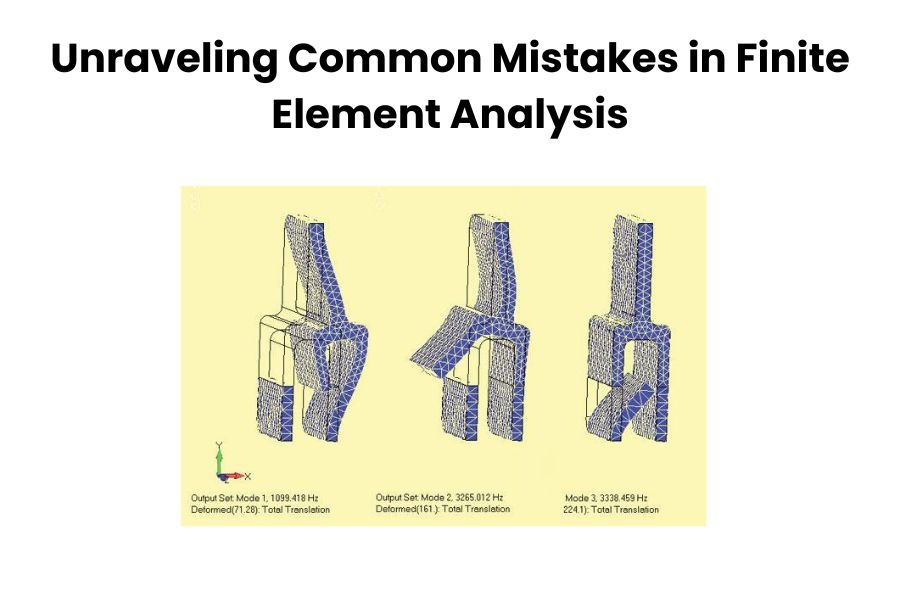
Finite Element Analysis (FEA) is one of the most powerful tools for analyzing and simulating simple to complex engineering problems in any industrial field. But cause of some common mistakes in Finite Element Analysis (FEA) can lead to inaccurate results and misleading interpretations. Some common mistakes that can occur during the FEA process are listed […]
In the world of finite element analysis (FEA), mesh generation is a critical step that can significantly impact the accuracy and efficiency of your simulations. HyperMesh, a powerful and versatile pre-processing tool, offers a wide array of features to streamline this process. we’ll explore some efficient meshing techniques and share valuable tips and tricks to […]

1. Importance of Choosing the Right Ansys Course Choosing the right Ansys course sets the foundation for your learning journey and determines the quality of education you receive. A well-structured and comprehensive course can equip you with the necessary skills and knowledge to excel in using Ansys for engineering simulation. It also enhances your employability […]
In the competitive job market for mechanical engineering, there are several common skills and areas of expertise that are often in high demand. These skills reflect the evolving needs and advancements in the field. Solid Modeling and CAD: The creation and representation of three-dimensional objects using mathematical models. It involves constructing virtual solid objects with […]

When deciding the types of meshing in ANSYS, several criteria should be considered to ensure an appropriate mesh for accurate and efficient analysis. The key criteria include: Geometry: Consider the complexity and shape of the geometry. For simple geometries, structured meshing can be suitable, while for complex and irregular geometries, unstructured meshing may be more […]

Geometry clean-up is of utmost importance in the field of computer-aided design (CAD) as it ensures the accuracy, efficiency, and reliability of the models created. Cleaning up the geometry involves removing errors, inconsistencies, and unnecessary complexity from the CAD model. By doing so, engineers and designers can have confidence in the accuracy of their designs, […]

Element quality refers to the measure of how well an element represents the physical shape or behavior of the structure or system being analyzed. It provides an indication of the accuracy and reliability of the numerical results obtained from the finite element analysis (FEA). ANSYS uses various metrics to evaluate the element quality. Some commonly […]
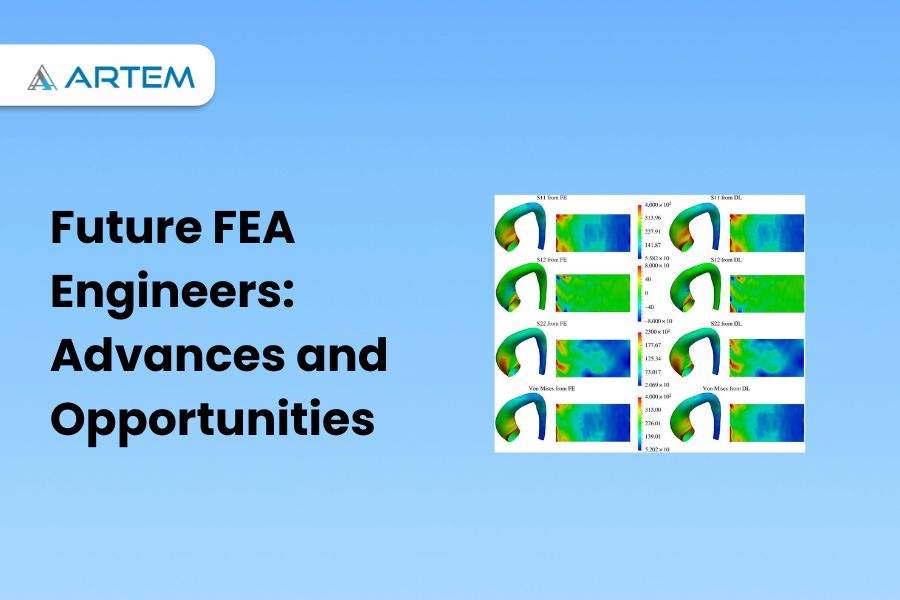
Finite Element Analysis (FEA) has been a powerful tool for engineering simulation for several decades. It has revolutionized the way engineers design and analyze structures, mechanical systems, and other products. However, as technology advances and computational power increases, the future of FEA looks even more promising. In this article, we will explore some of the […]
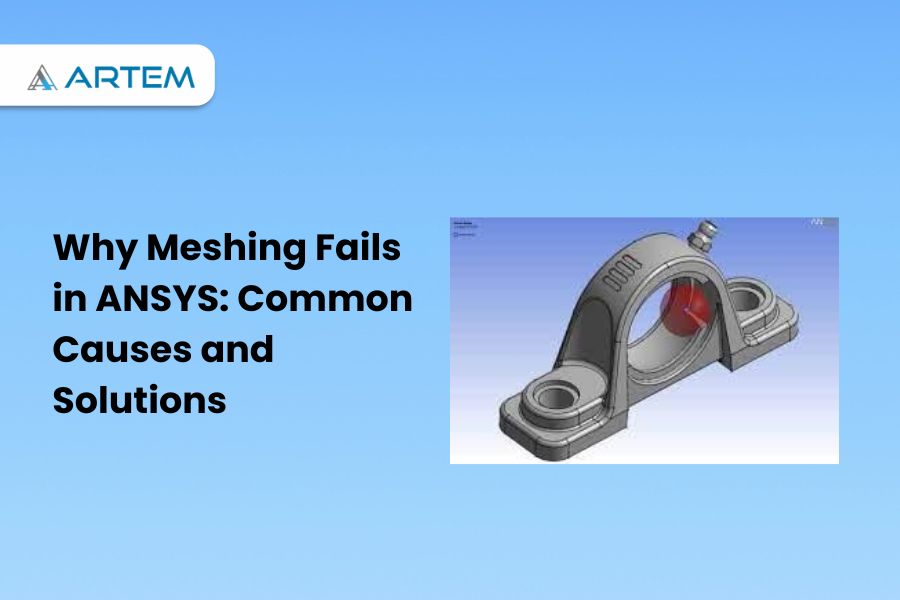
Meshing can fail in ANSYS for several reasons, including geometry issues, element quality problems, improper mesh settings, and computational limitations. Here are some common reasons why meshing may fail in ANSYS: 1. Geometry issues refer to problems or anomalies present in the geometry that can hinder the meshing process or cause inaccuracies in the analysis. […]
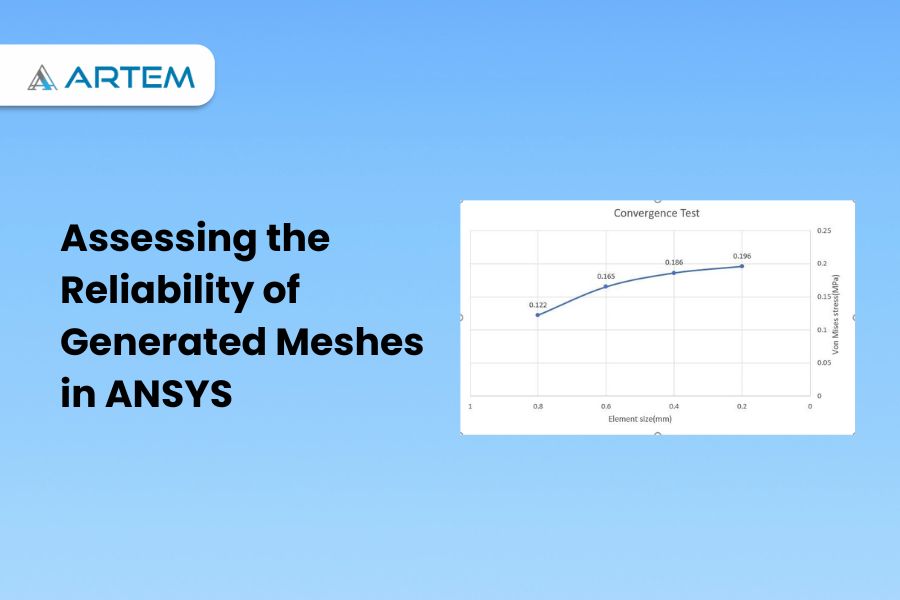
How can we understand that the mesh generated in ANSYS is reliable or not? The evaluation of a mesh generated in ANSYS or any other finite element analysis (FEA) software is a crucial step in ensuring the accuracy and significance of the results. Here are some factors to consider when assessing the reliability of a […]