

Shell elements are finite elements used in structural analysis to model thin-walled structures or components, such as plates, shells, and membranes. These elements are designed to capture the behavior of these structures, which have two dominant dimensions (length and width) and a relatively small thickness compared to the other dimensions. Shell elements are used to […]

Linear static analysis refers to a computational technique used in engineering and structural analysis to predict the response of a structure under applied loads or forces. It assumes linear relationships between applied loads and resulting displacements, as well as linear elastic material behavior within the structure. In linear static analysis, the governing equations of linear […]

Isotropic material properties refer to the characteristics of a material that are independent of direction. In other words, their mechanical and physical characteristics, such as elasticity, thermal expansion, and conductivity, are the same regardless of the direction in which they are measured. Isotropic materials exhibit the same response to stress, strain, and other external factors, […]

Linear static analysis has numerous practical applications across various engineering disciplines. Here are some common practical examples mentioned: Structural Analysis: Linear static analysis is widely employed in structural engineering to evaluate the behavior of various structures, including buildings, bridges, towers, and other architectural elements. It helps determine the stresses, deformations, and displacement patterns under different […]

Building Construction: 1D elements are used in structural engineering for analyzing and designing buildings. They help determine the behavior of beams, columns, and frames under different loading conditions, ensuring structural integrity and safety. Bridge Design: 1D elements are employed in the analysis and design of bridges, allowing engineers to assess the structural performance and behavior […]
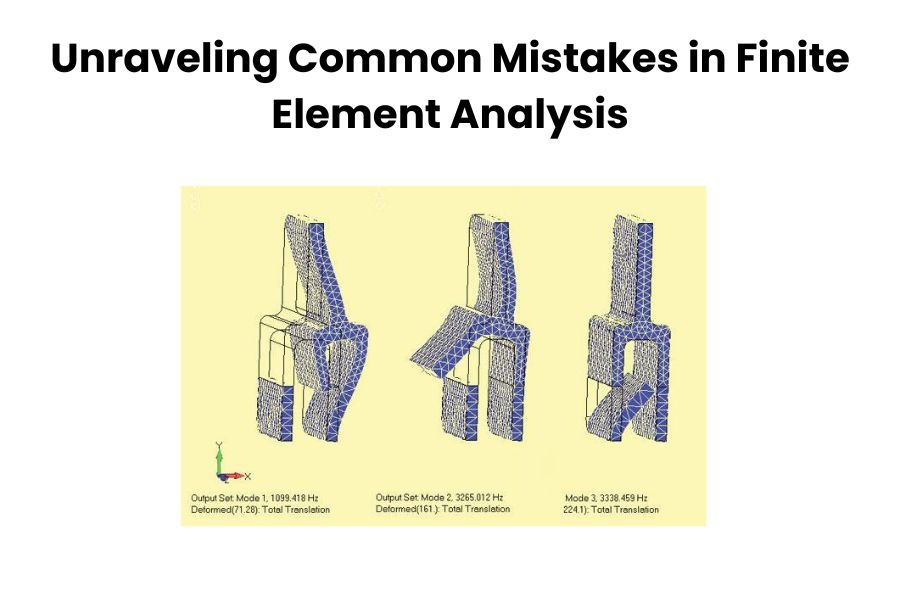
Finite Element Analysis (FEA) is one of the most powerful tools for analyzing and simulating simple to complex engineering problems in any industrial field. But cause of some common mistakes in Finite Element Analysis (FEA) can lead to inaccurate results and misleading interpretations. Some common mistakes that can occur during the FEA process are listed […]

When deciding the types of meshing in ANSYS, several criteria should be considered to ensure an appropriate mesh for accurate and efficient analysis. The key criteria include: Geometry: Consider the complexity and shape of the geometry. For simple geometries, structured meshing can be suitable, while for complex and irregular geometries, unstructured meshing may be more […]

Element quality refers to the measure of how well an element represents the physical shape or behavior of the structure or system being analyzed. It provides an indication of the accuracy and reliability of the numerical results obtained from the finite element analysis (FEA). ANSYS uses various metrics to evaluate the element quality. Some commonly […]
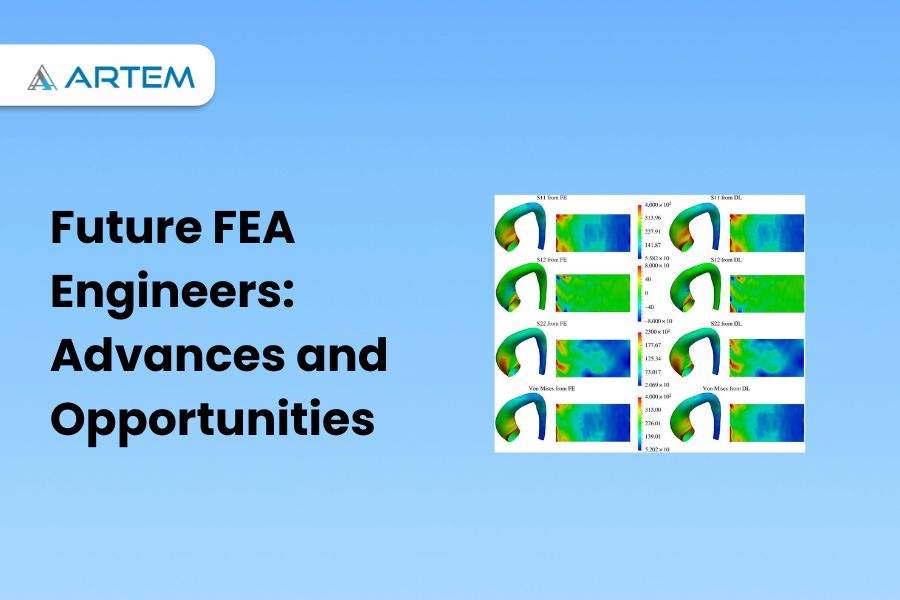
Finite Element Analysis (FEA) has been a powerful tool for engineering simulation for several decades. It has revolutionized the way engineers design and analyze structures, mechanical systems, and other products. However, as technology advances and computational power increases, the future of FEA looks even more promising. In this article, we will explore some of the […]
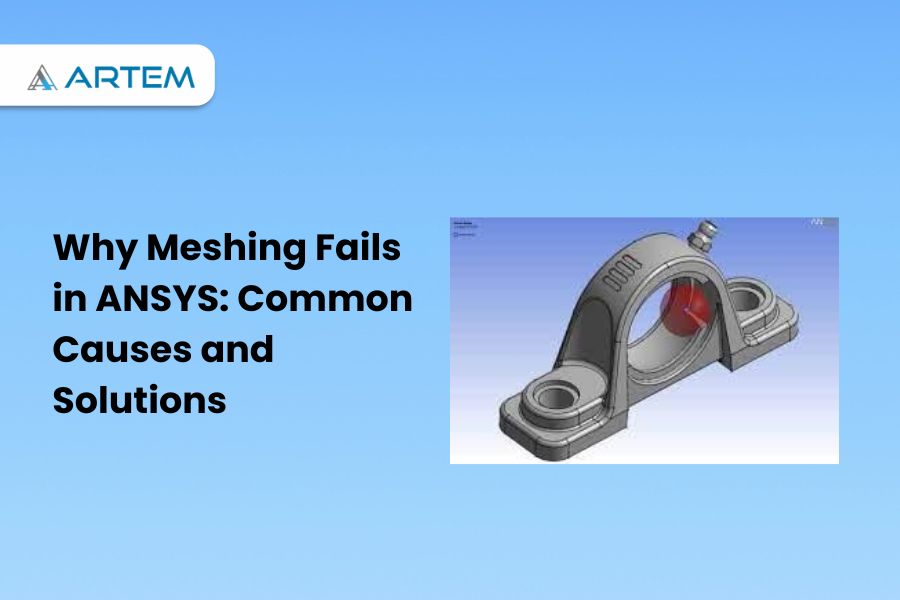
Meshing can fail in ANSYS for several reasons, including geometry issues, element quality problems, improper mesh settings, and computational limitations. Here are some common reasons why meshing may fail in ANSYS: 1. Geometry issues refer to problems or anomalies present in the geometry that can hinder the meshing process or cause inaccuracies in the analysis. […]